Faizan Burney Faizan Burney

How Botanical Installations Transform Fashion Week Sets, Pop-Ups, and Editorial Shoots

 Custom botanical installations, preserved moss walls, and living plant walls for fashion week set design, brand activations, pop-up events, and catalog shoots. National coverage.

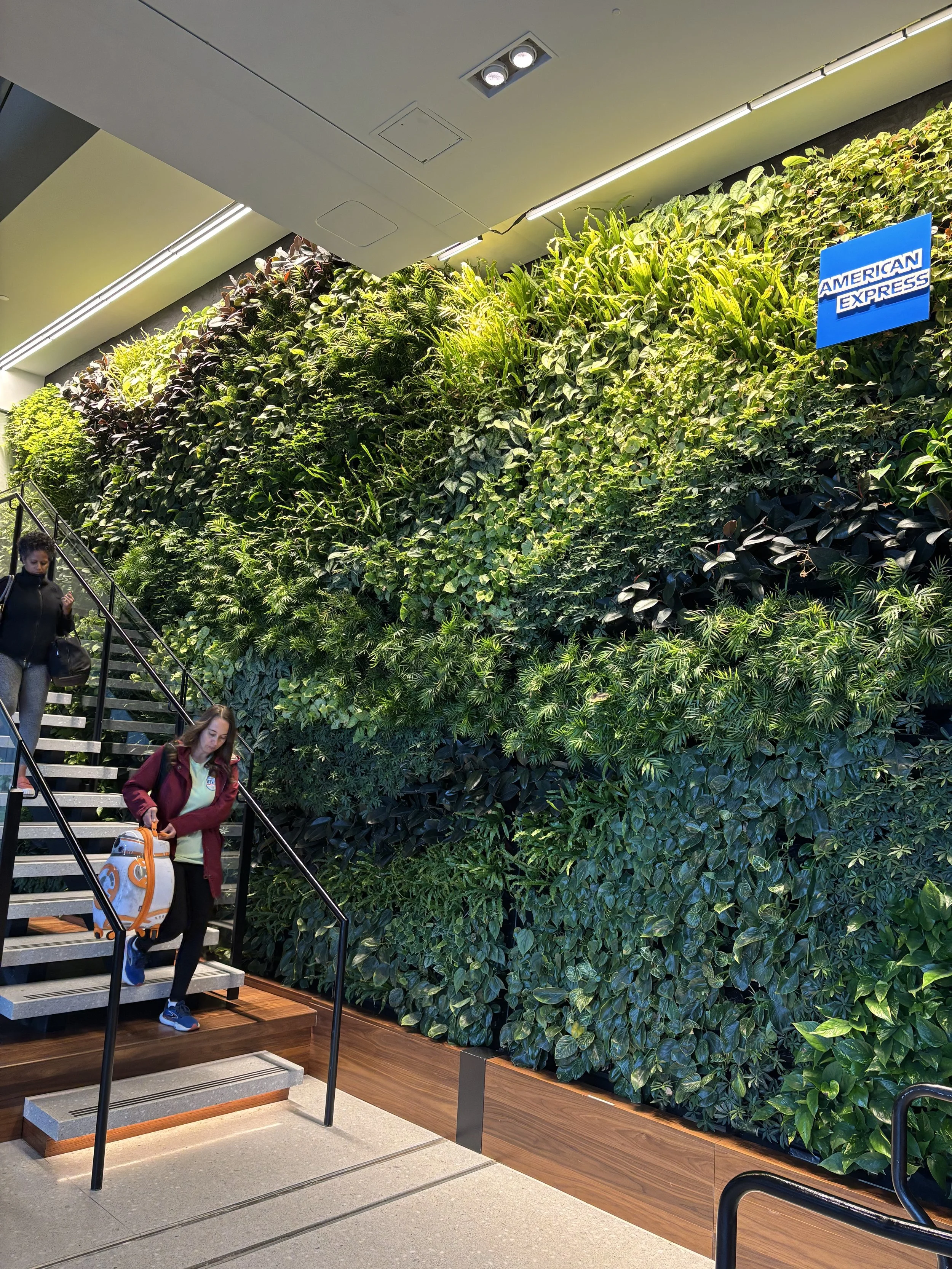
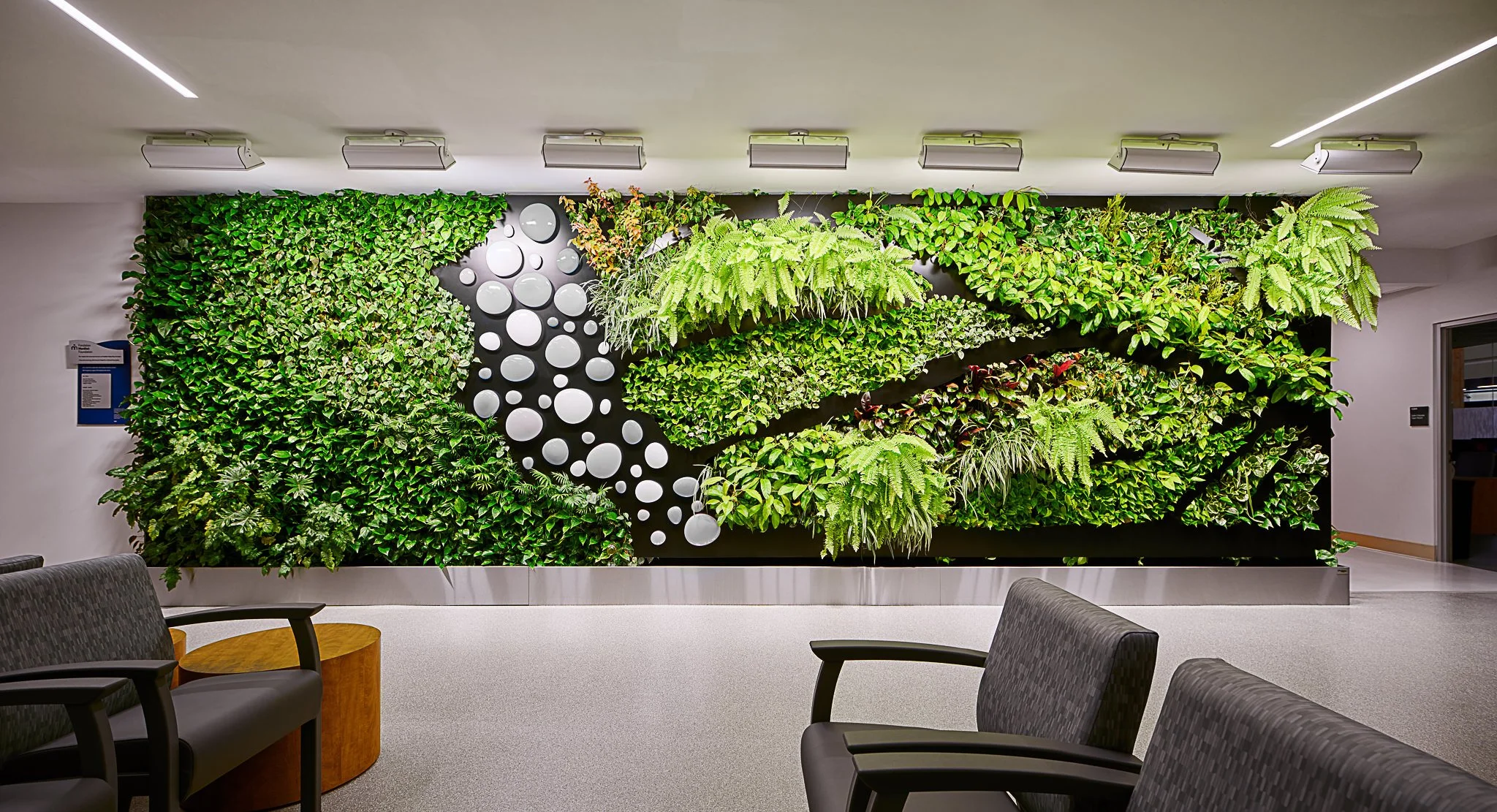
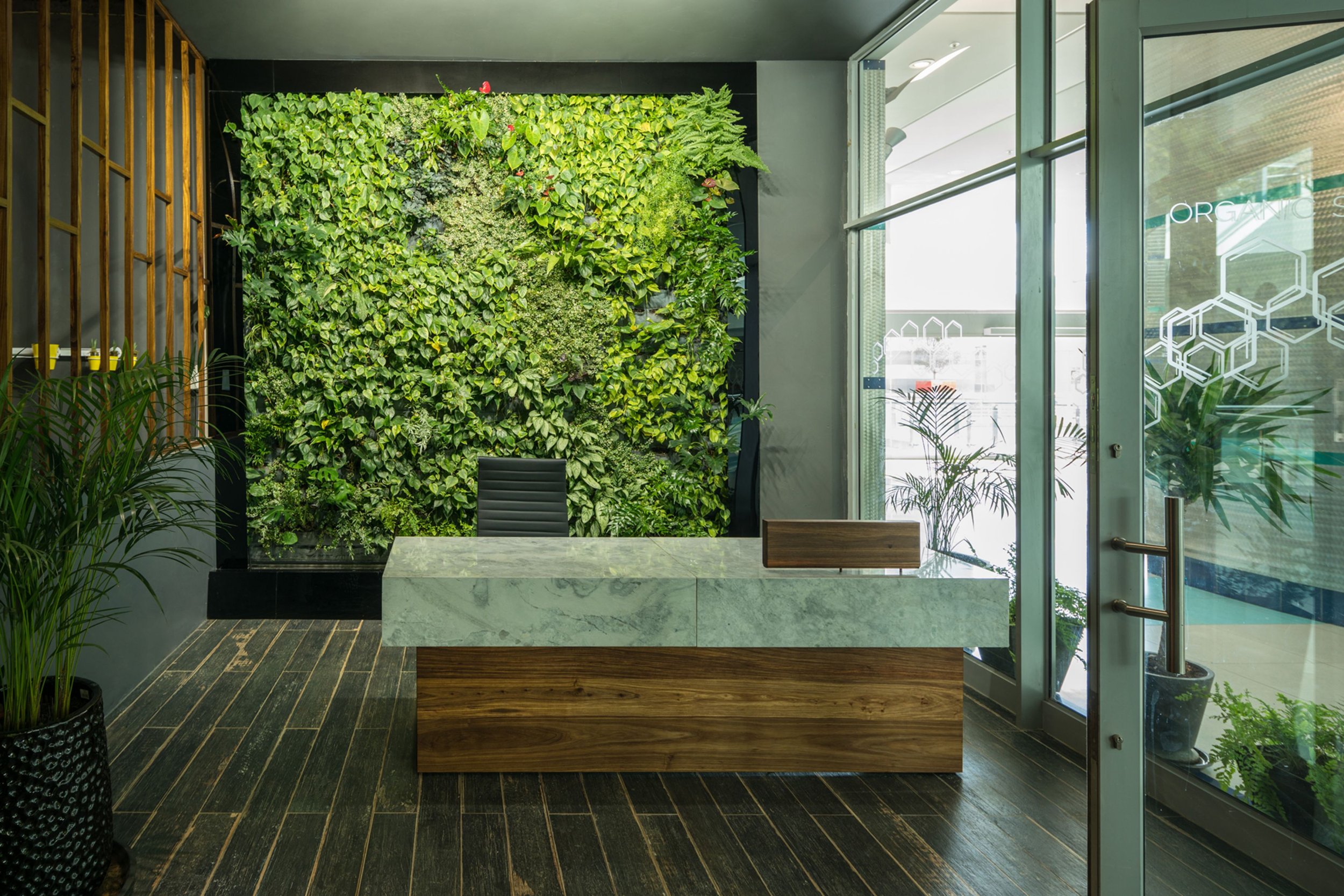
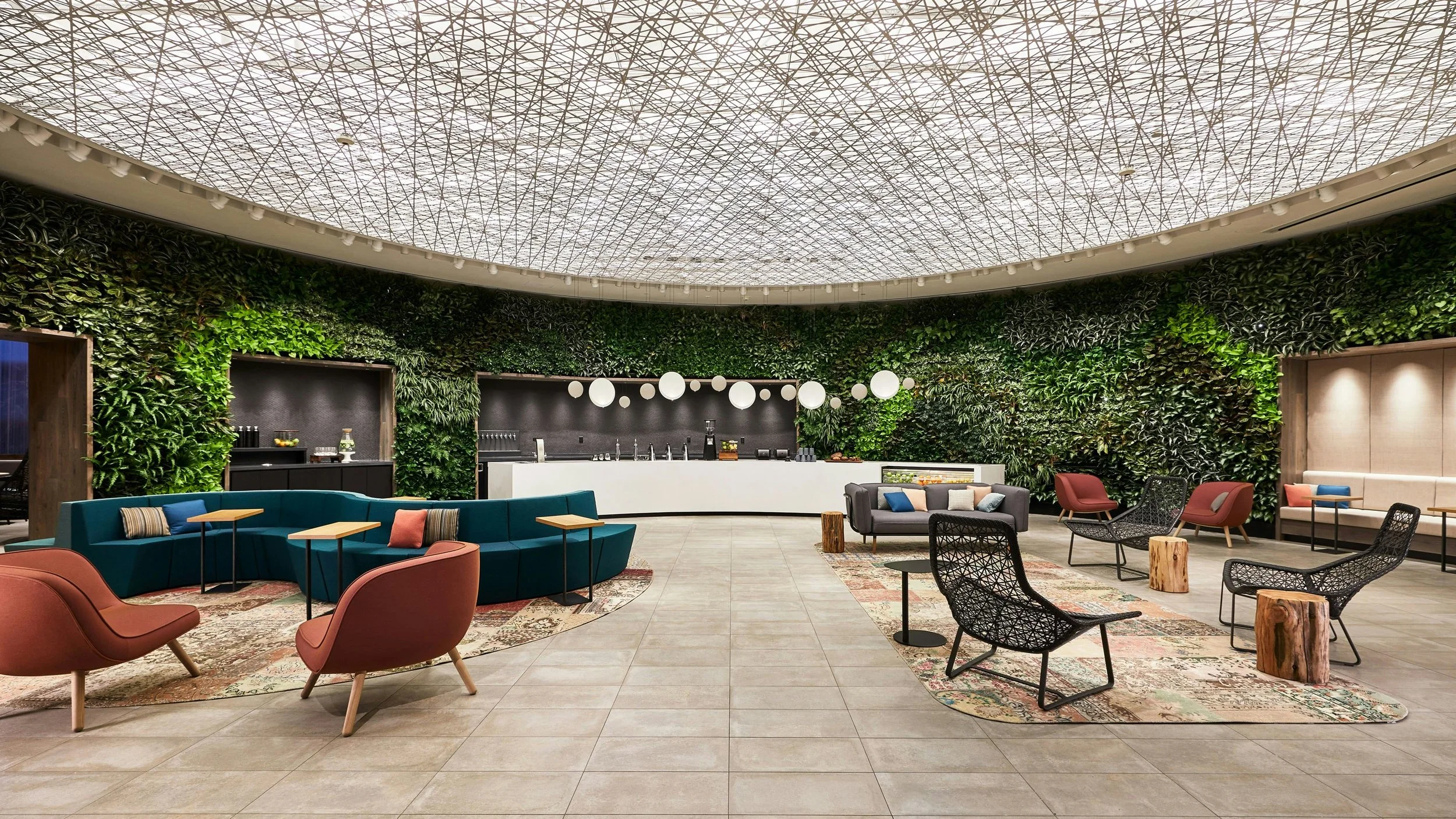
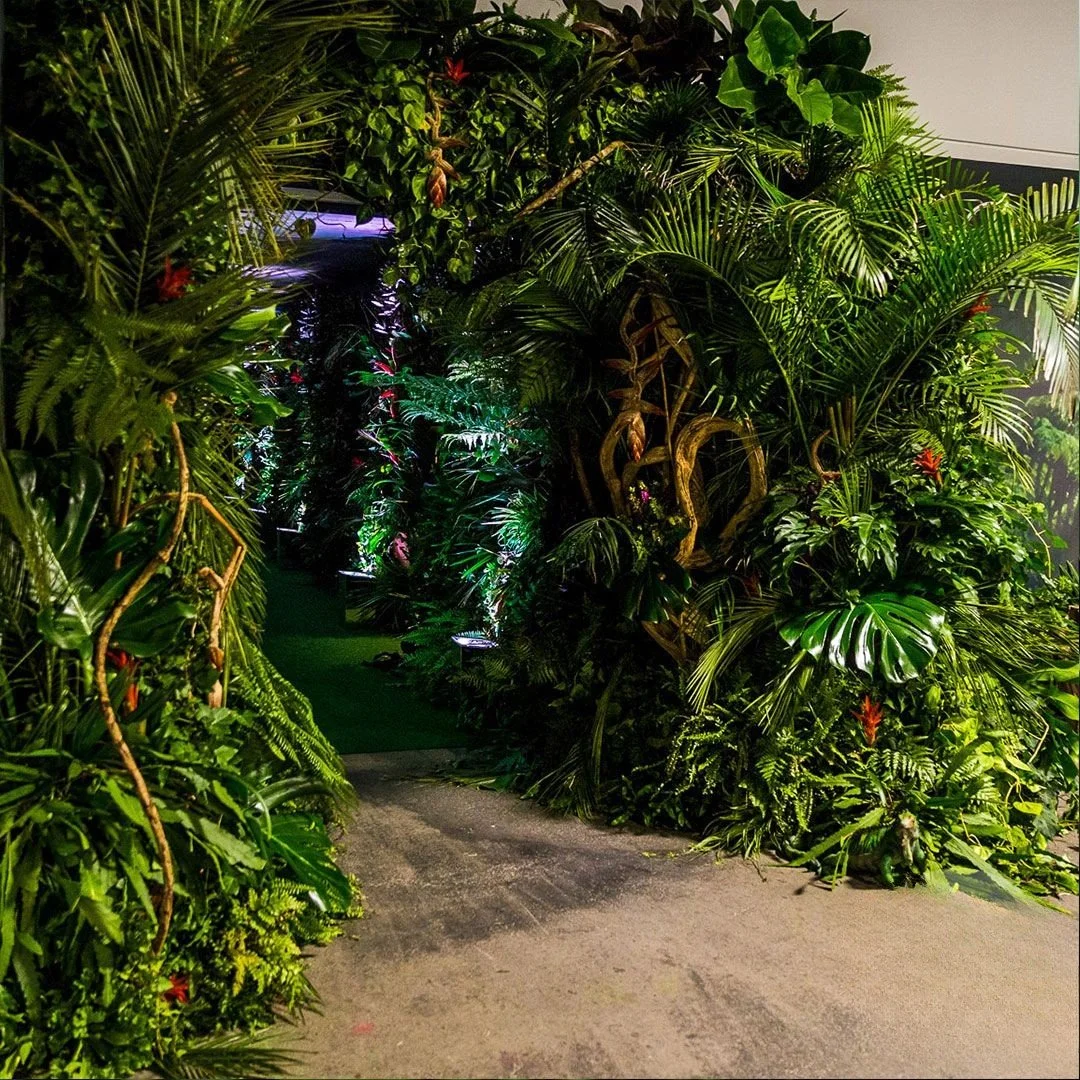
The most talked-about runway moments, viral brand activations, and editorial images of the past several seasons share a common thread: nature brought indoors with intention. For event planners, set designers, creative directors, and brand producers, the question is no longer whether to incorporate botanical elements,  it’s how to execute them at the level the project demands.

A botanical installation doesn’t just fill a wall. It changes the sensory temperature of the entire room.

What Makes Botanical Set Design Different from a Plant Rental

The market for faux green wall panels and generic boxwood backdrops is large and, for most events, adequate. However, for fashion week, a luxury brand activation, a designer catalog shoot, or a high-production pop-up,  it definitely is not. The difference is immediately visible in every photograph.

A botanical set designer brings a point of view: material vocabulary matched to the creative brief, species and texture selection in conversation with the moodboard, structural planning for the specific venue, and an understanding of how botanical materials perform under studio and event lighting. Not a vendor. A collaborator.

The Right Installation for the Right Project

Three distinct installation types serve different creative and logistical needs:

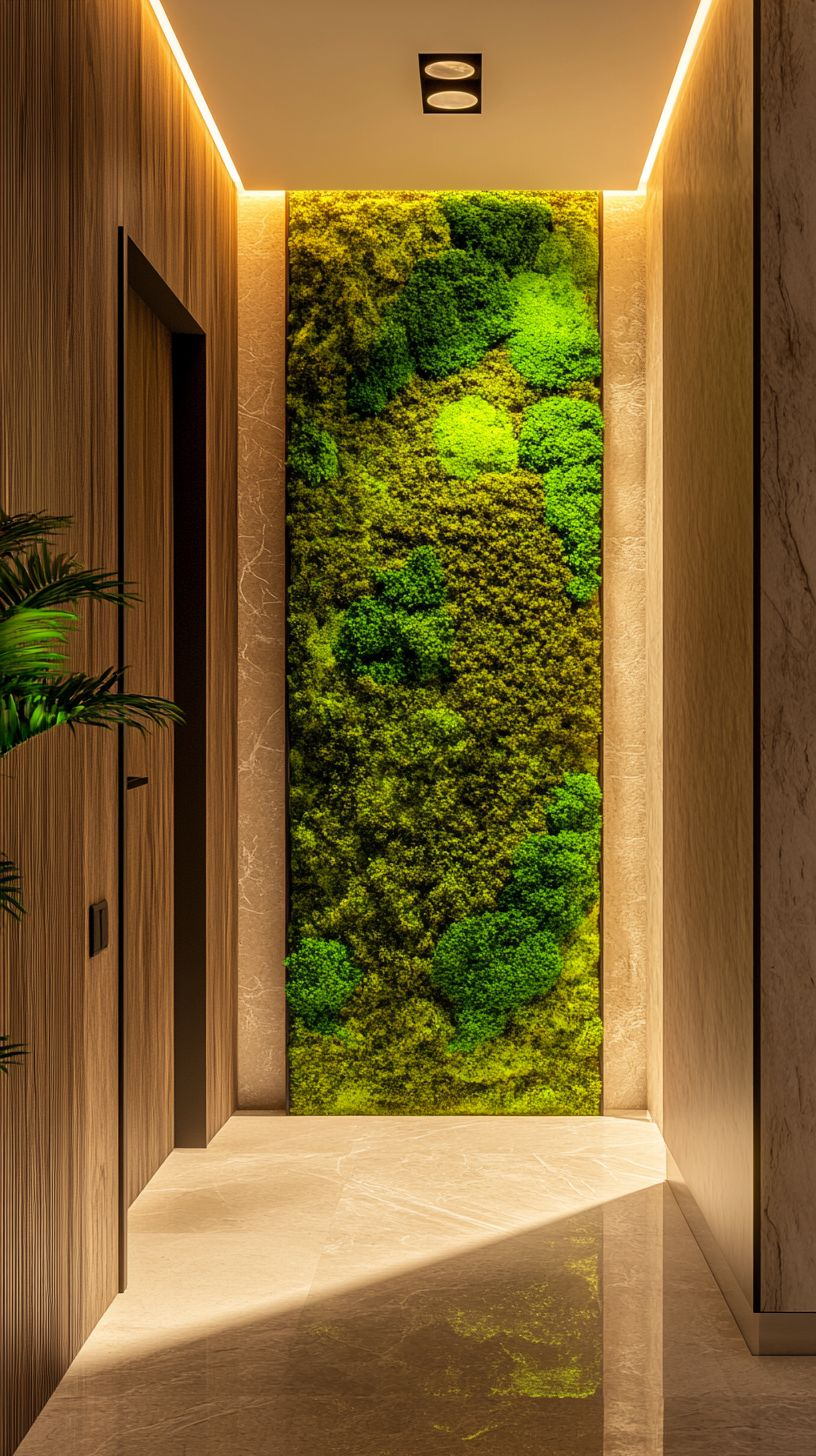
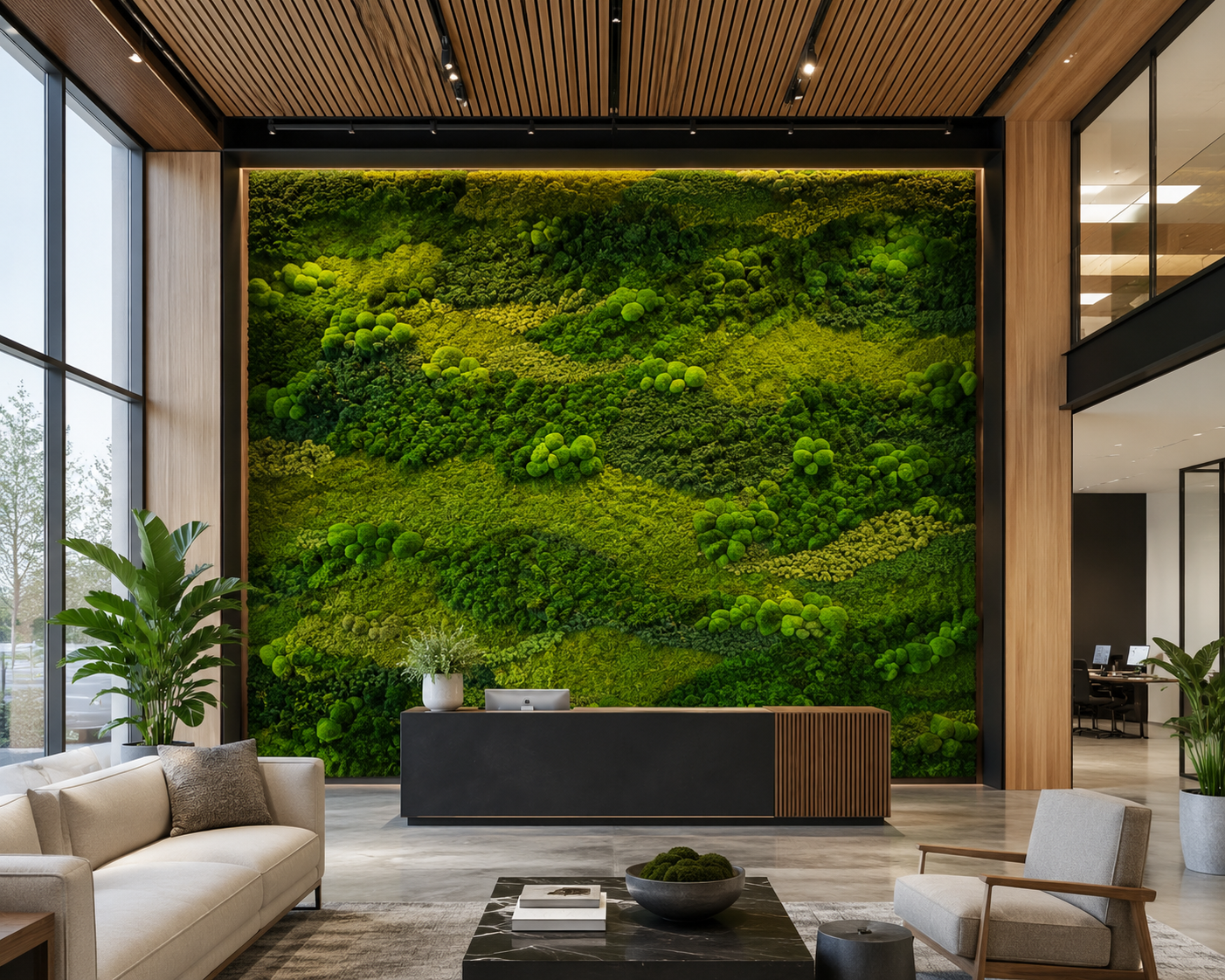
Preserved moss walls are particularly well-suited to fashion week and catalog shoots: no water, no light requirements, no on-set management, and a consistency of color and texture that holds across hours of changing studio lighting.

What to Brief Before Fabrication Begins

The installations that photograph best and installs  smoothly are the ones where the botanical  designer and production team are in conversation early. Before fabrication begins, clarify:

  • Shot framing and camera distance: scale and depth should be designed around the actual shots, not the room

  • Event duration and venue conditions: temperature, lighting, and timeline determine material choice

  • Branded or mixed-media elements: signage, neon, and structural details need to be designed in from the start

  • Build-and-strike logistics: fashion week and activation timelines are measured in hours; your installation partner needs to operate at that pace

Work With Lily Scott Designs

We design and build custom botanical installations for fashion week, brand activations, pop-up events, and editorial and catalog shoots. Every project is designed from scratch, built by hand, and installed by our own crew. We work nationally.

To discuss your next project: info@lilyscottdesigns.com  |  lilyscottdesigns.com


Read More
Lily Turner Lily Turner

Green Walls: Why System Choice Makes or Breaks Your Installation

Not all green wall systems perform equally. Lily Scott compares geotextile vs. plastic pot living walls on cost, plant health, and long-term design integrity.

 When it comes to living walls, green walls, and vertical gardens, the terms are often used interchangeably, but not all systems are created equal. As a green wall design/builder, Lily Scott has explored over a dozen different living wall systems, each claiming to be the best on the market. It was a bit like walking into a diner where every sign boasts the "world's best coffee."

Modular systems, potted walls, bio-filter walls, tray-based designs, geotextile panels, they were all evaluated through rigorous trials and long-term performance tracking. The result? Only two systems have truly earned their reputation by delivering low plant replacement rates, high water efficiency, and most importantly, root systems that can migrate and thrive.

If you're an architect, interior designer, or developer specifying a living wall or vertical garden for your next project, this guide will help you make the right choice from day one.

What's the Real Cost of Specifying the Wrong Living Wall System?

Choosing the wrong green wall system affects aesthetics, your budget, your client relationships, and your professional reputation. Here's what can go wrong when the wrong vertical garden system is installed:

  • High Plant Mortality: Limited root space in tray or pot-based systems leads to declining plant health within just 8–10 months of installation.

  • Major Replacement Costs: Up to 80% of plants in lower-quality systems often need replacing annually, an avoidable and significant hit to your client's budget.

  • Increased Pest Issues: Stressed, root-bound plants in cramped systems are far more vulnerable to infestations, which can spread rapidly across the wall surface.

  • Inconsistent Aesthetics: Gaps, dead patches, and mismatched replacement plants destroy the original design intent of your green wall.

  • Ongoing Maintenance Headaches: Poor irrigation design and root congestion lead to more frequent service calls and embarrassing feature walls. 

  • Loss of Client Trust: Repeated issues with plant health or pest problems undermine your credibility as a specifier of sustainable, long-lasting design solutions.

Plastic Potted Systems vs. Geotextile Living Walls: The Root of the Problem

The root of the problem, quite literally, lies in the growing medium. Plastic tray and pot-based systems confine plants to small individual containers with severely limited root space. Over time (typically around 8–10 months), roots become constrained, plants decline, and replacement becomes not just likely but inevitable.

While trimming new growth every two weeks can help slow root-binding, this approach significantly increases ongoing maintenance costs. It also means the plants will never achieve full, lush coverage of the green wall system.

By contrast, permeable geotextile-based vertical garden systems allow roots to grow both laterally and vertically through the wall panel, creating healthier, longer-lasting plant communities. The result is fewer replacements and a fuller and more lush aesthetic, and only monthly (rather than bi-weekly) maintenance visits.

Annual Cost Comparison: Plastic Pot System vs. Geotextile Green Wall (100 sq ft)

Let's break it down using a 100-square-foot living wall which is approximately 400 plants in an average system:

* Note: All living wall systems require ongoing maintenance, typically ranging from $2–$5/sf/month. Maintenance costs are assumed consistent across both systems and are not factored into this comparison. However, plastic pot systems may require additional bi-weekly visits, adding further cost.

After the first year, clients with an inferior plastic pot system will have nearly spent the "savings" they made upfront on unnecessary plant replacements, while still living with a wall that never achieved its intended lush, green tapestry.

Living Wall System Comparison at a Glance

The Bottom Line: Invest in Living Walls That Last

A living wall isn't just a visual statement,  it's a long-term investment in a building's performance, design integrity, and the values of the people who inhabit it. A green wall, when supported by a proven, high-performance geotextile growing medium, becomes a durable architectural feature that thrives over time rather than degrading within its first year.

Whether you're specifying a green wall for a corporate lobby, a luxury residential tower, a healthcare environment, or an educational institution, the right system matters. By getting the infrastructure right from the start, you're not just enhancing the space, you're ensuring your client's investment is protected. 

 Ready to Integrate a Living Wall or Green Wall Into Your Next Project?

Lily Scott collaborates early with architects and construction teams to ensure every green wall is built cost-effectively, with a seamless and thriving aesthetic. Get in touch to start the conversation.

lilyscottdesigns.com  |  info@lilyscottdesigns.com

Read More
Lily Turner Lily Turner

Living Wall Lighting Requirements: A Guide for Architects, Designers & MEP Engineers

A technical guide to specifying grow lighting for interior living green walls. Covering PPFD, foot-candles, photoperiod, and MEP coordination for architects and engineers.

Living Wall Lighting Requirements: A Guide for Architects, Designers & MEP Engineers

Of all the technical requirements that determine whether an interior living wall succeeds or fails, lighting is the most frequently underestimated  and the most expensive to correct after installation. This guide is written for the architects, interior designers, and MEP engineers who are responsible for ensuring that living walls, also referred to as green walls or vertical gardens, are integrated correctly from the start.

Interior living wall lighting requirements are not a finish-level detail. They are a building systems requirement that must be coordinated during design development, before electrical scopes are finalized, and well before rough-in begins.

Why Green Wall Lighting Failures Are a Specification Problem

Interior green walls routinely fail not because of poor plant selection or inadequate irrigation, but because lighting was treated as an afterthought, deferred to the lighting designer without horticultural input, value-engineered out of the budget, or simply overlooked in the MEP coordination process.

The consequences are predictable and well-documented: leggy, etiolated growth as plants reach toward insufficient light sources; yellowing and leaf drop from chronic photosynthetic stress; weakened immune response leading to persistent pest infestations from mealybugs, spider mites, aphids, and scale; and compounding maintenance costs that far exceed the upfront savings on fixtures.

Plants are not decorative objects that can tolerate suboptimal conditions. Light is their primary energy source. A living wall without adequate lighting is a system in slow failure from day one.

Why Natural Light Is Rarely Sufficient

A common assumption in early design phases is that south-facing windows, skylights, and curtain walls will provide adequate light for an interior living wall. In most cases, this assumption does not hold up under measurement.

Light levels adjacent to windows drop sharply with distance. A south-facing window at 10 a.m. in summer may deliver 500 fc at the glass; by 3 p.m. or at a depth of 10 feet, that figure can fall below 30 fc. Seasonal variation further reduces the total daily light integral (DLI) plants receive, a metric that captures cumulative light energy over a full day, not just peak intensity.

Before specifying a living wall in a space that relies on natural light, light levels should be measured throughout the day across all seasons, or modeled using daylight simulation software. Without that data, natural light should not be relied upon as the primary light source for living walls in most interior applications.

How to Specify Living Wall Lighting: Getting the Light Levels Right

Minimum light level recommendations for interior living walls vary among practitioners, with some specifying 75 fc and others setting thresholds as high as 200 fc depending on species selection. For mixed tropical installations, which represent the majority of commercial and high-end residential green wall projects,  a working minimum of 120 foot-candles at the wall surface is a defensible and well-supported benchmark.

However, foot-candles and lumens are human-centric metrics. They measure brightness as perceived by the human eye, not photosynthetically usable energy. For vertical garden lighting specifications, documents must also address PPF and PPFD,the metrics that actually determine whether plants can photosynthesize effectively.

Key Living Wall Lighting Metrics for Specification

Table 1. Lighting metrics relevant to living wall specification and their recommended minimums for interior tropical installations.

Green Wall Grow Lights: Lens Design and Spectrum Quality

Specifying a grow light fixture with an adequate PPF rating is necessary but not sufficient. How that light is delivered to the plant surface and whether it contains the spectral wavelengths plants can actually use determines real-world performance of the green wall system.

Jonah Adamcik, Commercial Sales & Product Operations at Soltech Solutions,  a trusted partner for horticultural lighting on our living wall installations, explains the disconnect that frequently occurs in specifications:

“Plants operate in PPF and PPFD, but a lot of contractors operate in lumens and foot-candles. That disconnect can make it challenging to ensure the right lights are specified from the start.”

Adamcik also highlights two of the most common technical failures in fixture specification: improper lensing and over-reliance on human-centric metrics.

“Without proper lenses, a fixture’s PPF doesn’t always translate to PPFD at the plant surface. Many competitors claim high PPF, but without lenses or reflectors, very little light actually reaches the foliage. That’s why we use 60°, 36°, and 19° lens options depending on throw distance.”

“Foot-candles and lumens are secondary. They don’t measure spectral quality. Two lights can both read 150 fc, but if one isn’t full-spectrum, the plants receive far less usable energy.”

The practical implication for specification: fixture submittals for living wall lighting should include PPF output, PPFD at specified mounting distances, lens angle options, and full spectral data,  not just lumen output and color temperature.

Interior Living Wall Lighting: Photoperiod and Controls

Light intensity is only part of the equation. Duration matters equally. For most tropical species used in interior living walls, a photoperiod of 12 to 14 hours of light per day is optimal. Below that threshold, growth slows and stress accumulates. Extended continuous light without a defined dark period can cause metabolic disruption.

Research published in Plant Signaling & Behavior (2019) confirms that circadian regulation affects photosynthetic efficiency and stress response even in shade-tolerant species. In practice, living walls with consistent, automated light/dark cycles exhibit fewer pest problems and more uniform growth than those operating under uncontrolled or continuous lighting conditions.

Specifications should require a dedicated, programmable lighting controller that can be set to the recommended photoperiod. This should be coordinated with the electrical engineer and confirmed with the living wall contractor before fixture rough-in.

Coordination Requirements for the Project Team

Living wall lighting must be treated as a coordinated system, not a standalone specification item. The following requirements should be established before electrical scopes are finalized:

  • A dedicated 120V circuit for the lighting controller, isolated from other building loads to prevent tripping and interference

  • Fixture mounting locations confirmed with the living wall contractor to ensure appropriate throw distances and PPFD coverage across the full wall surface

  • Lens angle selection coordinated with ceiling height and wall dimensions — 60° lenses for close-range mounting, narrower angles for higher ceilings with longer throw distances

  • Fixture submittals reviewed by the living wall contractor prior to procurement, including PPF, PPFD at mounting distance, spectrum data, and lens specifications

  • Lighting controls integrated with a programmable timer or BMS to maintain a consistent 12–14 hour photoperiod

  • HVAC supply vents confirmed to not discharge directly onto the living wall or grow lighting fixtures

The Cost Calculus: Upfront Investment vs. Downstream Liability

Budget pressure frequently drives lighting specifications below recommended thresholds. This is a false economy. Inadequate lighting generates compounding costs: increased plant replacements, more frequent pest treatments, higher maintenance labor, and ultimately, a failed installation that reflects on everyone involved in the project.

The lighting fixtures represent a small fraction of total project cost. Specifying them correctly, with appropriate PPFD output, full-spectrum quality, proper lensing, and automated controls is one of the highest-leverage decisions available to the design team. It protects the owner's investment, reduces long-term maintenance scope, and ensures the living wall performs as designed.

Working with a Living Wall Specialist

The most reliable way to ensure lighting is specified correctly is to involve the living wall contractor during design development before the electrical engineer finalizes scope, and before fixture types are selected. At that stage, adjustments are inexpensive. After rough-in, they are not.

Lily Scott works directly with architectural and construction teams to provide lighting requirements packages, coordinate MEP integration, and review fixture submittals for living wall installations. Early engagement is offered at no additional coordination cost.

To discuss an upcoming project, contact info@lilyscottdesigns.com or visit lilyscottdesigns.com.

References & Further Reading

  • Bjørn, L. O. (2015). Photobiology: The Science of Light and Life. Available at: download.e-bookshelf.de

  • Trouwborst et al. (2010). The Impact of Light Spectrum on Plant Morphology and Physiology. Acta Horticulturae. Available at: pmc.ncbi.nlm.nih.gov

  • Circadian Rhythms in Plants. (2019). Plant Signaling & Behavior. Available at: pmc.ncbi.nlm.nih.gov

  • Soltech Solutions. (n.d.). Highland Track Light System. Retrieved October 14, 2025, from soltech.com

  • Adamcik, Jonah. Commercial Sales & Product Operations, Soltech Solutions. Personal communication, October 2025.

Read More
Faizan Burney Faizan Burney

The MEP Coordination Checklist for Interior Living Walls

How to specify and integrate a living plant wall that actually lasts! Covering lighting, plumbing, structural requirements, and ongoing maintenance

Living Walls Are Building Systems, Not Decorations

Living walls are increasingly specified in commercial, hospitality, healthcare, and mixed-use projects as nature inspired design continues to flourish. But when green wall systems are treated as a finish element rather than a building system, projects can go sideways. A successful living wall installation requires coordinated plumbing, structural, and electrical planning; ideally starting in the design development phase.

Structural Coordination

  • Minimum 12 lbs per square foot dead load capacity. Confirm with your living wall contractor and structural engineer

  • Host wall must be thoroughly waterproofed; irrigation cycles are regular and an unprotected wall is a liability

  • Whether flush-mounted, recessed, or framed with millwork, perimeter maintenance access must be preserved

Plumbing Coordination

  • Dedicated supply line(s) sized to the system's flow rate and pressure

  • Code-compliant backflow preventer required and specified per local code

  • Floor drain or dedicated drain connection tied to the drip tray — non-negotiable

  • Recirculating systems require space for a reservoir tank and potentially built out millwork to conceal

  • Non-corrosive piping is strongly recommended for long-term performance, otherwise it’s a maintenance issue

Electrical Coordination

  • Dedicated 120V circuits for the irrigation controller and monitoring equipment. Never share with other building loads

  • Grow lighting required in most interior installations, especially with limited natural light; fixture type, lumens, and color spectrum must meet the living wall contractor's minimums

  • Minimum mounting height and distance from the living wall is crucial

HVAC and Temperature

  • Avoid installing directly beneath active HVAC vent. Direct airflow causes uneven moisture loss and chronic plant stress

  • Tropical plant material requires consistent ambient temperatures between 60°F and 85°F

  • This is a building requirement, not just a plant care guideline. document it and communicate it to the owner

When to Bring in the Living Wall Contractor

Earlier than you think. The living wall designer should be involved in MEP coordination meetings during design development and deliver a complete requirements package before plumbing and electrical scopes are finalized. Projects that coordinate early avoid unnecessary change orders and finger-pointing that damage project relationships.

Work With a Living Wall Designer Who Coordinates Like a Systems Contractor

At Lily Scott, we provide complete requirements, participate in MEP coordination meetings, deliver custom shop drawings, and stay engaged from pre-construction through commissioning. If you have a living wall in your upcoming scope, contact us before you bid it.


Read More